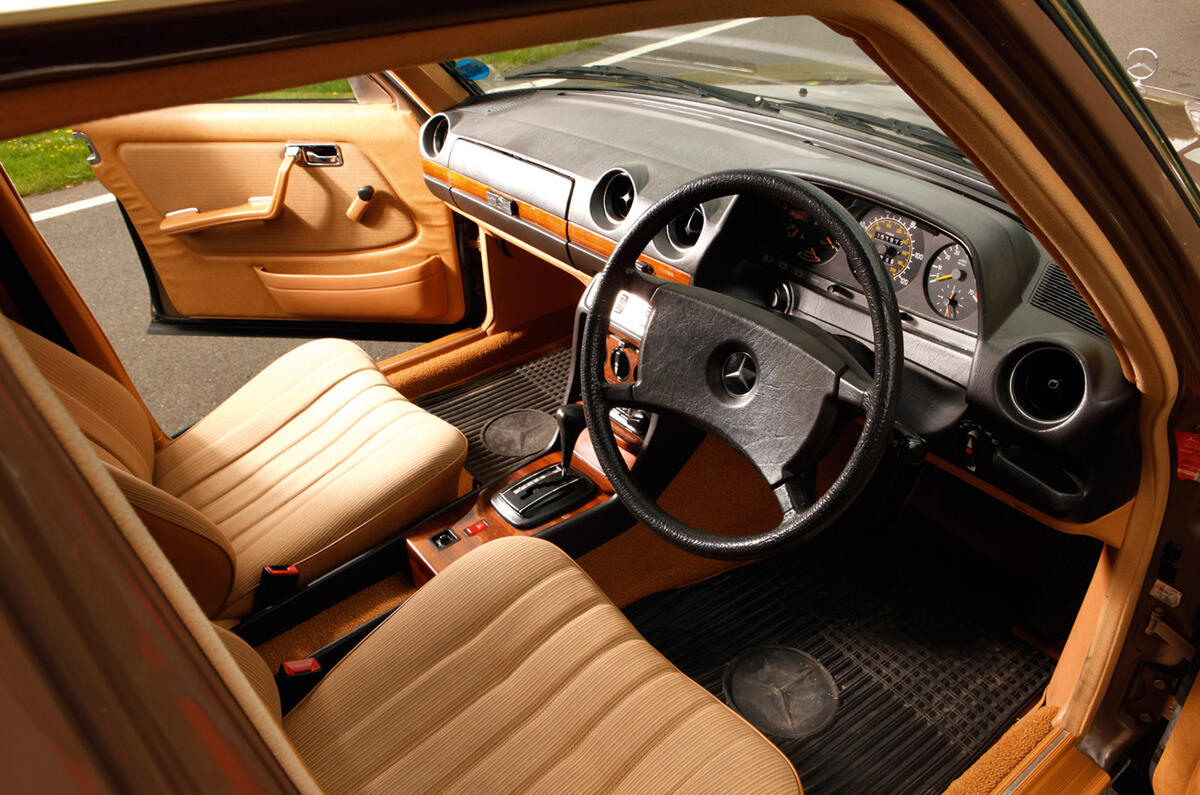
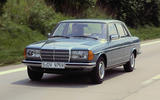
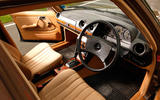

To exude both class and indestructibility, a car must at once be built like a Dodge Challenger tank and make more concessions to luxury than a Four Seasons hotel.
It’s a winning and increasingly popular formula, but even today’s tech-rich efforts can’t hold a candle to the Mercedes-Benz W123.
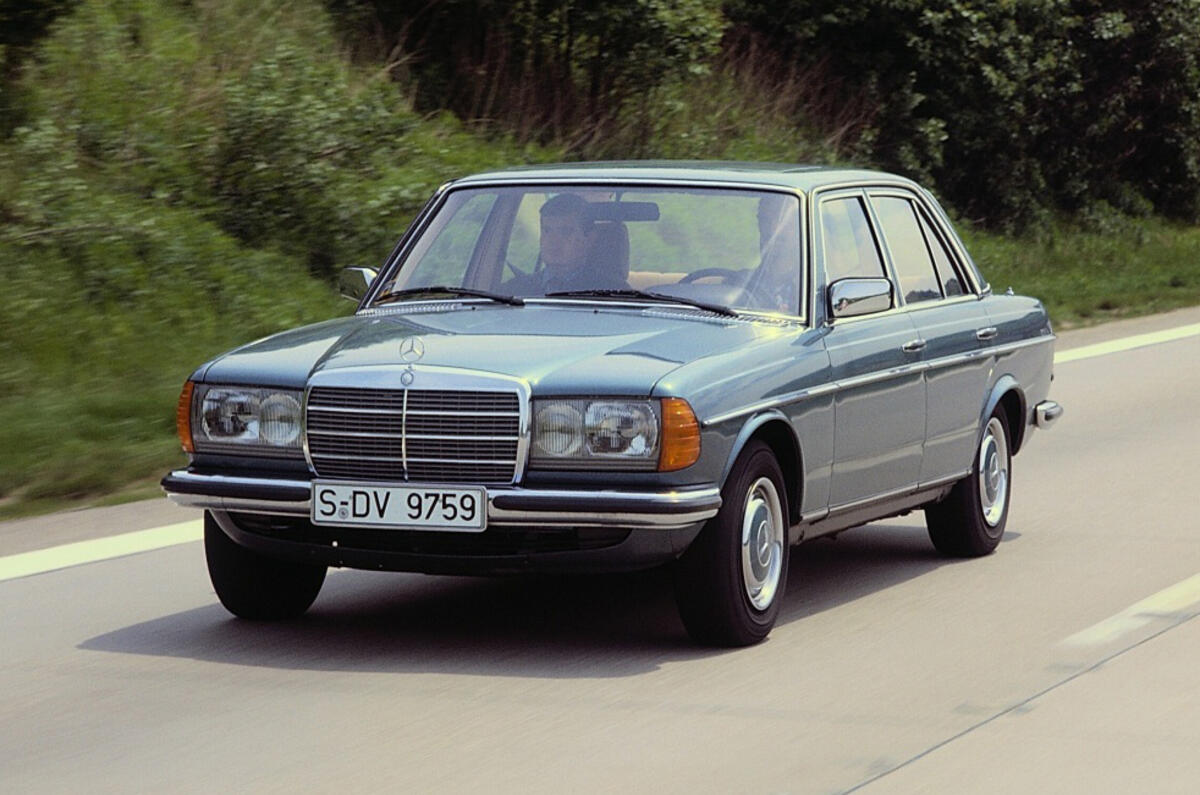
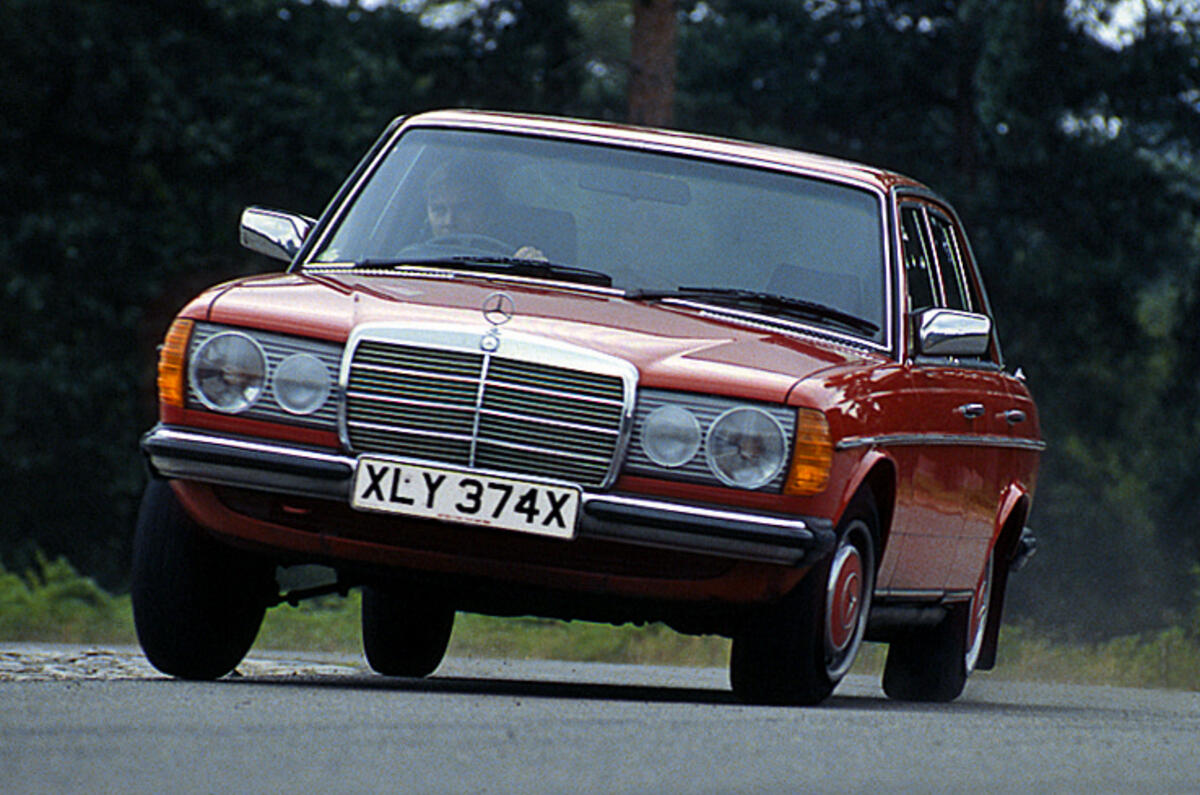
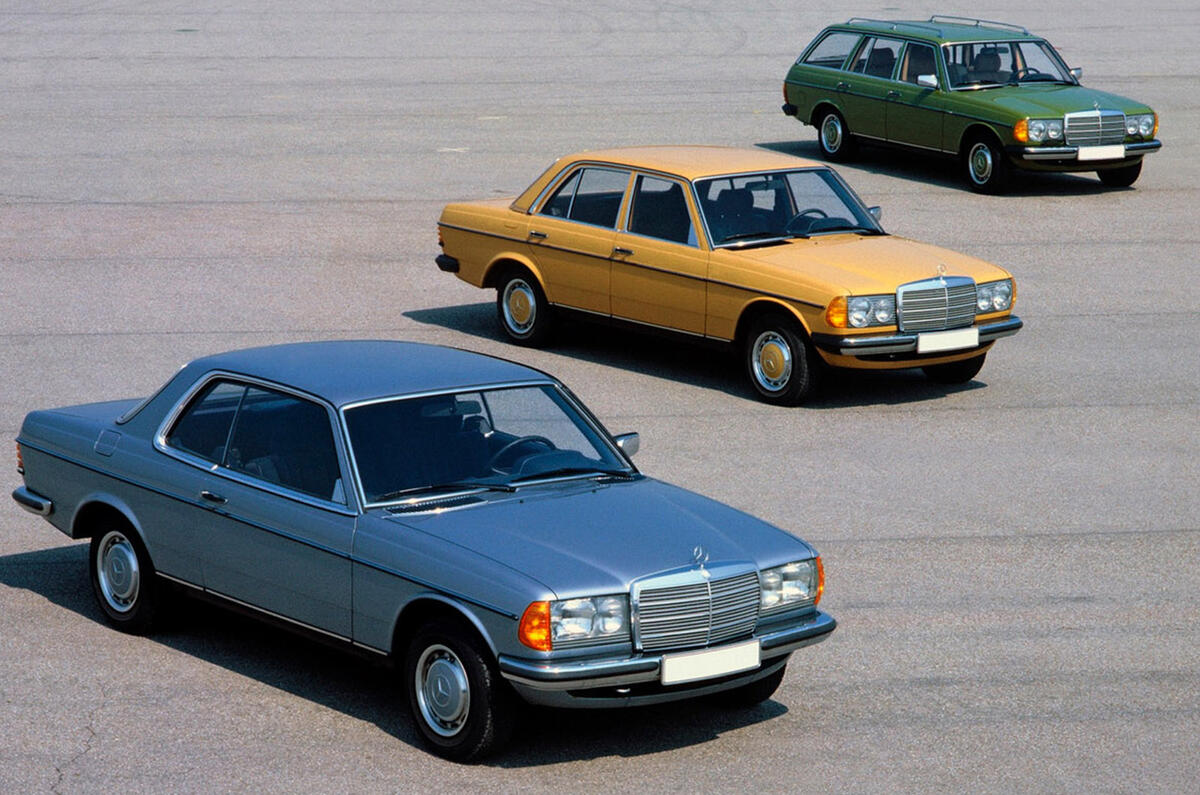
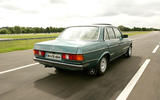
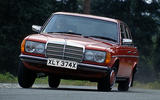
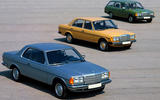
Introduced in 1976 as an evolution rather than reinvention of the W114, the W123 spawned a total of four bodystyles and went on to surpass even the astounding sales success of its forebear, shifting 2.7 million units over its 10-year production run.
Click here to buy your next used car from Autocar
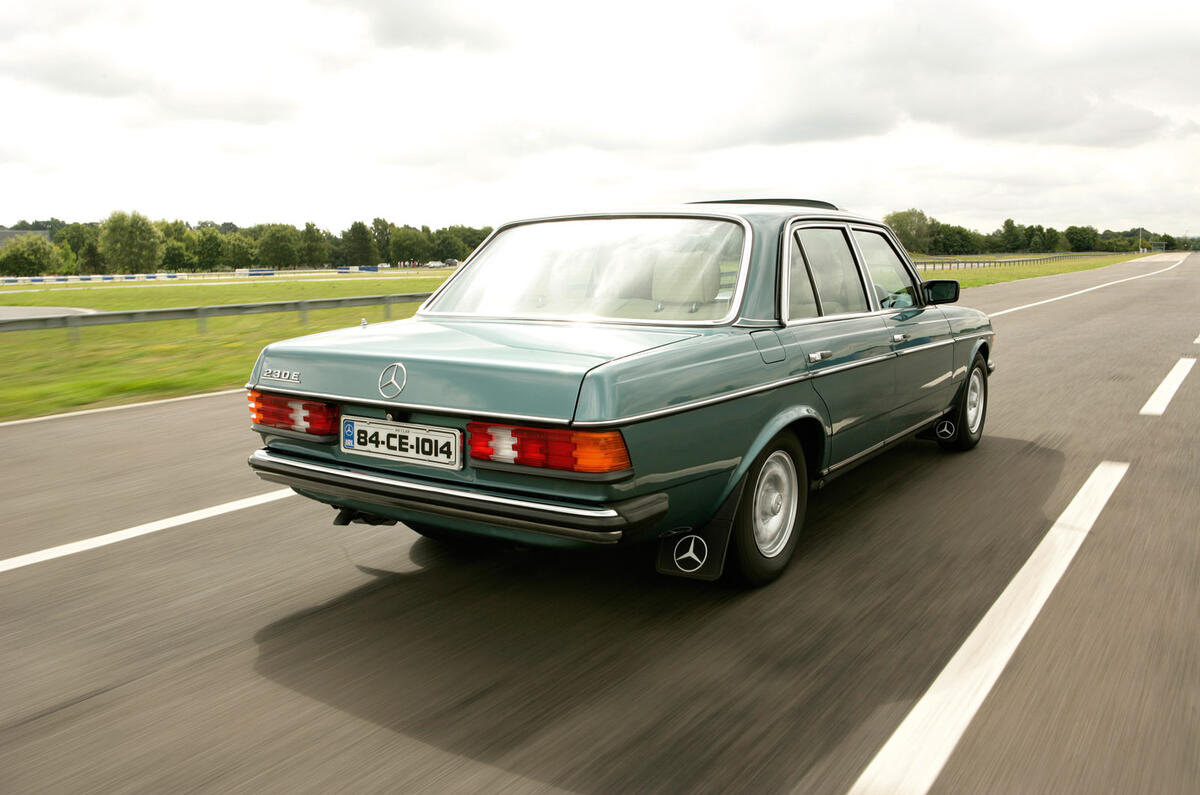
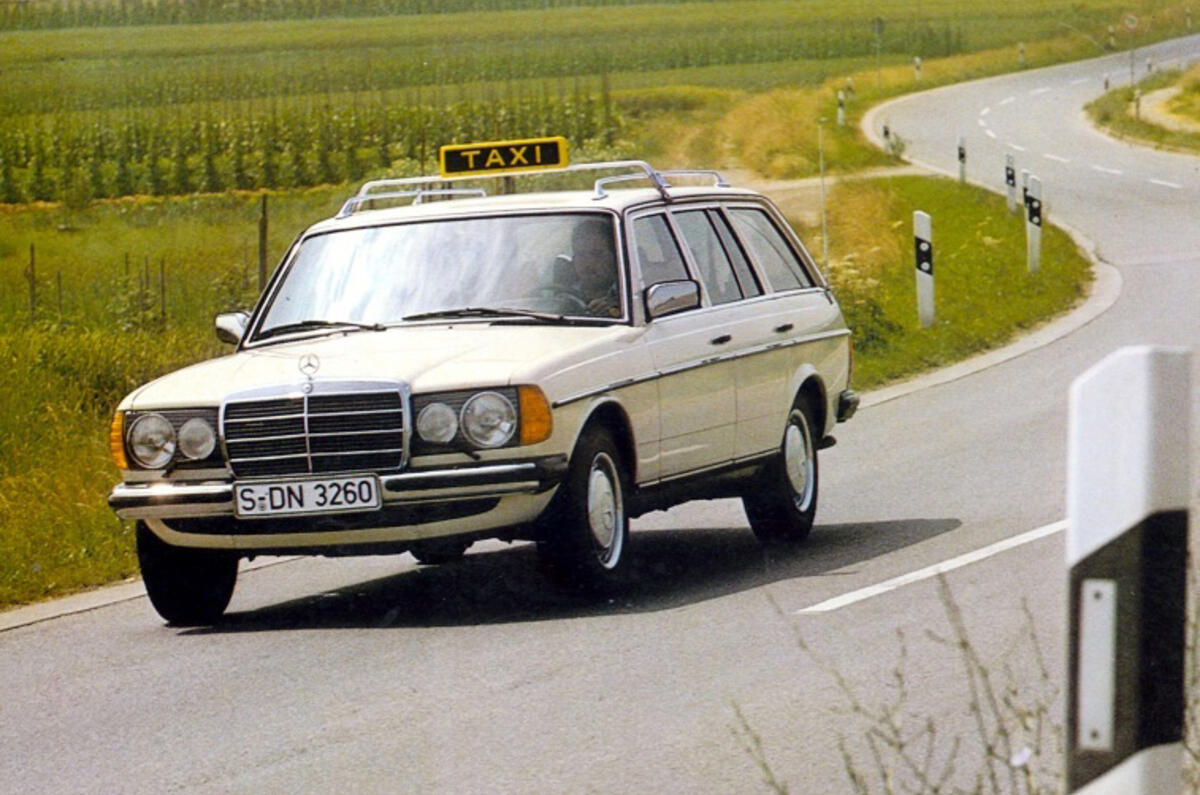
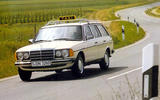
Expensive in all forms from new, the W123 could be specified with an overwhelming range of petrol and diesel motors, the most dependable of which helped to secure its place in the hearts of taxi drivers around the globe. Many are recorded as having covered upwards of 500,000 miles without much more than regular services, although the doorless 1983 230E that took James May across Botswana in a 2007 episode of Top Gear is probably a better known testament to the car’s durability.

The car commanded a heavy premium over its rivals – a starting price of £8000 in 1979 translates to £41,000 today – but a large portion were run on a tight budget, and the results are plain to see today: available models range from basket-case barn finds (steer well clear) to concours cars that have been restored at great expense to their owners.
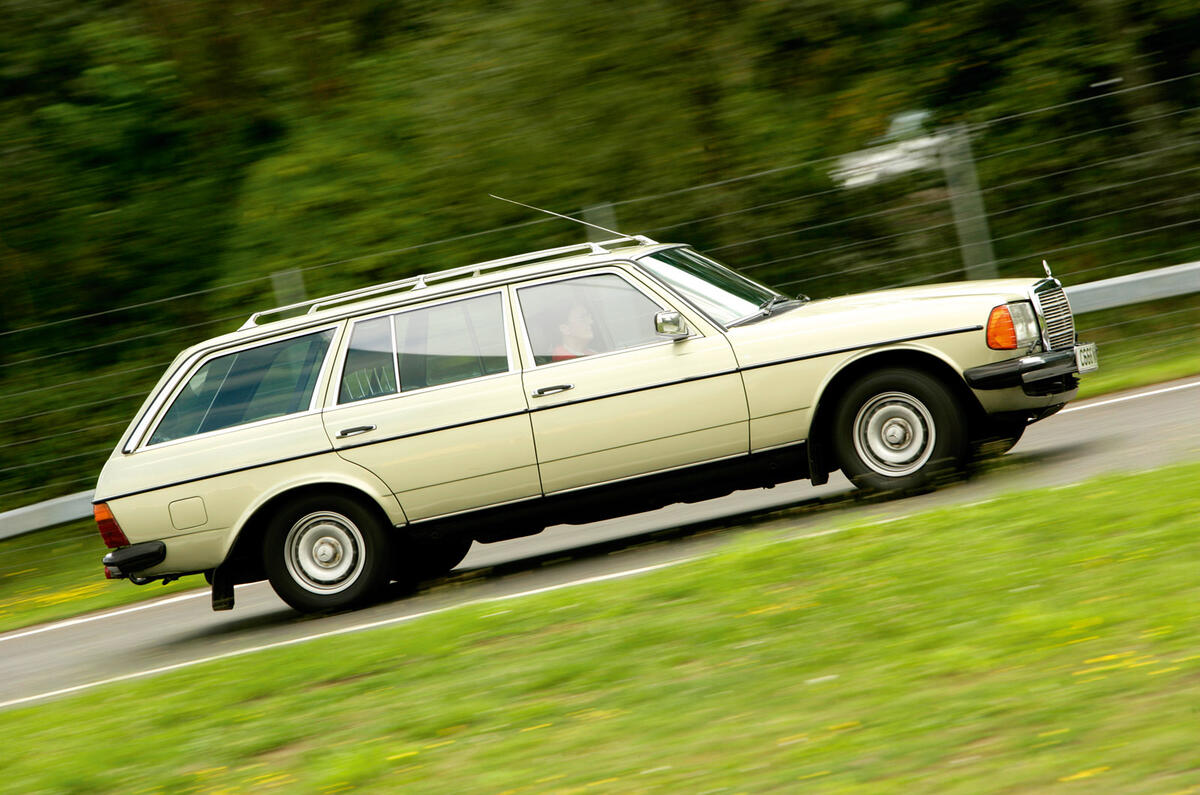
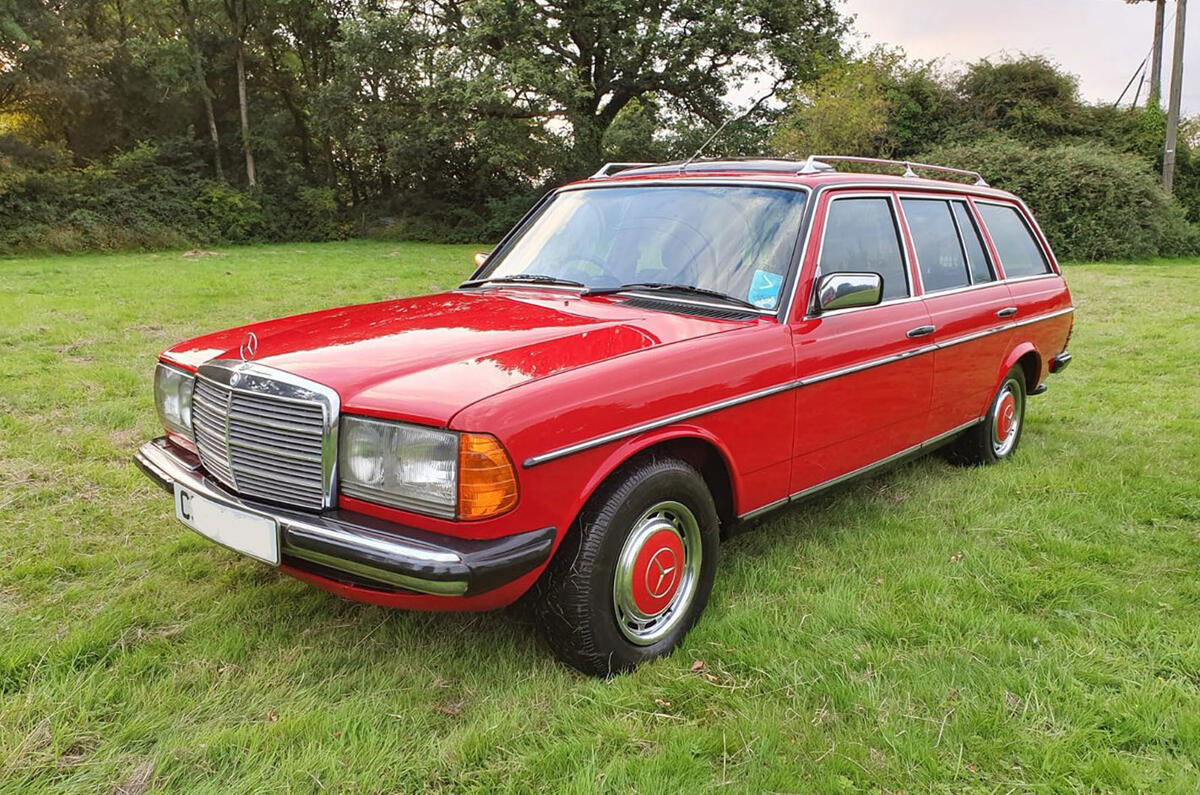
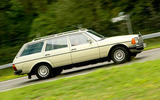
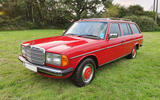
The handsome estate version – badged T for ‘tourismus und transport’ – is the most unattainable variant, prices now edging past what you might pay for a clean two-door ‘pillarless’ CE coupé, but the saloon is just about still within the realm of the casual enthusiast.